
NON-GOVERNMENTAL ORGANIZATION


The tailing dump is more important than the cultivated lands
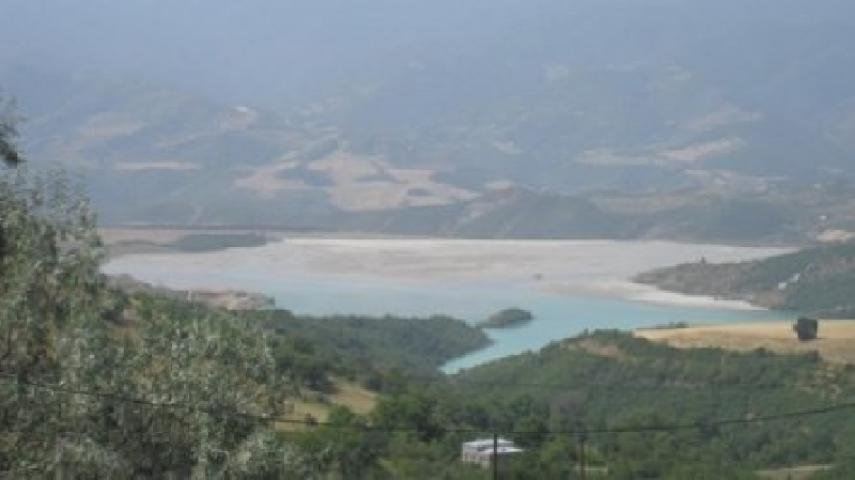
Armenia's biggest Artsvanik tailing dump, located in Syunik marz, continues to grow at the expense of surrounding villages' cultivated lands.
According to the RA government 28 April 2011 decision, 162.95 hectares of land belonging to the community and 94.67 hectares of land, used personally by the villagers within the Artsvanik community's administrative boundaries have been transferred to the category of lands to be used for industrial, subsurface resource exploitation and other production purposes.
Artsvanik tailing dump is operated by Kajaran copper molybdenum mine. In the government's view the interest of implementing this project takes priority over the interests of the owners of the expropriated properties: lands have been expropriated from additional four communities that will be used to further enlarge the biggest tailing dump of the RA.
Materials resulting from the mine operation are accumulated in the tailing dump and negatively affect the flora of the surrounding area, as well as people's health.
The President of "Greens' Union" Hakop Sanasaryan notes that in 2003 this tailing dump contained only 95 mln. cubic meters of tailing, and it was considered the biggest tailing dump in the world. According to the project, this tailing dump was envisaged for 310 mln. cubic meters of tailing. Currently, annually 14 mln. tons of tailing, mixed with 40 mln. cubic meters of water, is poured here from the Copper Molybdenum Combine.
"Generally, it is not pleasant that a tailing dump exists in our village, large quantities of rural lands have appeared under the tailing dump and continue to appear, based on RA government decisions", tells us Manushak Hovakimyan, the deputy mayor of Artsvanik village that is the closest to the tailing dump.
Within previous five years, 102 hectares of lands of village property and 43 hectares of privatized lands appeared under the tailing dump, based on government decisions.
The village has 730 inhabitants, and 130 of them are only temporarily inhabited here. During recent years, because of hard social conditions and because people would either lose their lands or not receive proper harvest from them due to the harmfulness of the tailing dump, 40 people left the village. The mortality rate has also increased in Artsvanik. In the last three years, 23 people passed away and among them there were people who suffered from cancer.
"This disease has already become common in this place. Twenty years ago my brother died from lung cancer at the age of 30, then my mother-in-law died from throat cancer, then my father died from bladder cancer," told www.hra.am Melanya Mirzoyan who has lived in Artsvanik since her birth, when the tailing dump was still very small in size and did not cause major harms to their village.
"Over the years it has grown for two times, the cultivated lands of the surrounding territories give little and poor-quality harvest, the animals often die," tell the local people.
" The Iranians pass by these areas and they think they see a wonderful lake, they start taking photos of the lake; they do not know that it is filled with total poison, and enormous poisoned fish grow in it", says Melanya.
The villagers state that even though it has not affected the village trees yet, they cannot go out of their homes during the strong winds that are typical to their region, since during those very thick dust rises.
It should be noted that as per the RA subsurface management laws, the tailing dumps are considered to be the properties of the mines' operators. Vardan Vardanyan, the head of the subsurface resource management department of the RA Energy and Natural Resources Ministry notes that they cannot do anything, if the owner does not operate or does not eliminate the tailing dump.
Karine Ionesyan
Source: www.hra.am